
How to Comply With CARB Regulations for Diesel Fleets
How We Tested and Verified
Verified against EPA National Vehicle and Motor Vehicle Emissions Surveillance guidance (2025–2026), CARB Truck and Bus Regulation updates, EU Regulation 2024/1257 (Euro 7), and state DMV emissions program listings as of September 2026.
This content is for informational purposes only. Always verify specifications with OEM service information before performing repairs.
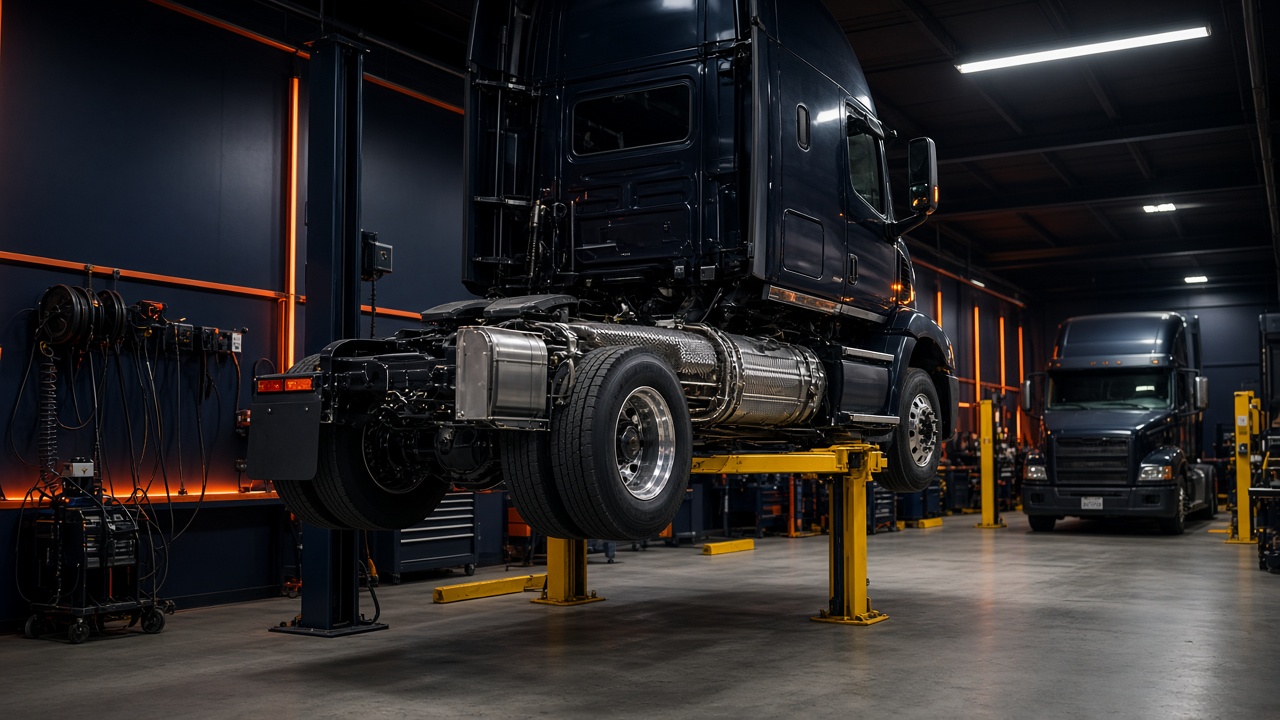
California diesel fleets must report every truck in TRUCRS annually, keep 2010+ OEM aftertreatment intact, and meet Advanced Clean Fleets ZEV purchase rules if classified as high-priority (drayage, 50+ government-contract trucks). Non-compliance triggers DMV registration holds, fines of $1,000–$37,500 per violation, and roadside aftertreatment inspections. Step 1: verify each VIN has a 2010+ engine or CARB-verified retrofit DPF. Step 2: file TRUCRS within 30 days of fleet changes. Step 3: maintain functional DPF/SCR/DEF with repair records. Step 4: plan ZEV acquisitions if ACF applies to your fleet class.
Truck and Bus Regulation Basics
Engines before 2010 generally phased out or require diesel particulate filter retrofit (DMV hold if not compliant).
2010+ OEM engines with factory DPF/SCR meet definition — maintain systems functional, no deletes.
TRUCRS annual reporting deadline — verify fleet list matches DMV registration.
Advanced Clean Fleets (ACF) 2026 Status
High-priority fleets (drayage, 50+ trucks government contract): ZEV purchase percentages escalating 2024–2035.
Drayage: 2024+ model year additions must be ZEV — dramatic impact Port of LA/Long Beach.
Medium-duty box trucks: ZEV requirements phasing by class.
Maintaining Aftertreatment for CARB Inspection
Roadside teams check for missing components, DEF presence, MIL, opacity.
Active SPN 4364 or 3251 with inducement — failure risk. Fix before California routes.
Use SCR efficiency guide and DPF soot guide.
TRUCRS Reporting Step-by-Step
Create account at CARB TRUCRS portal. Enter VIN, engine serial, compliance date.
Update within 30 days of fleet changes — acquisition, sale, retrofit.
Keep PDF confirmation for audit — 5 year retention.
Retrofit DPF Requirements for Older Engines
Pre-2010 engines still operating need CARB-verified retrofit DPF (VME list).
Retrofit cost $8,000–$15,000 — verify VER certificate matches engine family.
Annual visual inspection of retrofit label.
Documentation and Record Keeping
DEF purchase receipts, PM records, aftertreatment repair invoices — support warranty and audit defense.
Driver training logs for regen and DEF refill.
Penalties and Enforcement
Fines $1,000–$37,500 per violation. DMV registration block for TRUCRS non-compliance.
Employer liability for contractor trucks operating in CA — verify subcontractor compliance.
Planning ZEV Transition
TCO analysis: electric Class 8 TCO improving but charging infrastructure limits drayage first adopters.
Hybrid and renewable diesel do not satisfy ACF ZEV mandates — plan battery electric or hydrogen where required.
Out-of-State Fleets Operating in California
3-day exemption limited — regular CA operations require compliance same as in-state fleets.
Port entry checks VIN against TRUCRS.
TRUCRS Data Accuracy Audit
Annual internal audit: compare TRUCRS VIN list to insurance and registration — orphan entries cause DMV hold.
Sold units removed within 10 days — buyer compliance is their obligation but seller reporting required.
Retrofit labels photographed and filed — roadside inspection matches database.
TRUCRS Reporting Step-by-Step Detail
Create account at arb.ca.gov/trucrs. Enter each VIN, engine serial number, engine model year, and compliance pathway (factory 2010+, retrofit DPF with VDECS number, or exempt category). Update within 30 days of acquisition, sale, or engine replacement. Download PDF confirmation after each submission — auditors request 5-year retention.
Common errors: VIN typo causes DMV hold, engine serial mismatch after in-frame overhaul not updated, sold units not removed within 30 days creating phantom non-compliance.
ACF ZEV Purchase Schedule
Drayage fleets: 2024+ model year additions must be zero-emission. State and federal contract fleets with 50+ trucks: escalating ZEV purchase percentages 2024–2035. General linehaul not yet mandated but monitor CARB rulemaking. HVIP incentives reduce electric tractor upfront cost 30–50%.
CARB Roadside Inspection Preparation
Before California routes: scan for active inducement codes, verify DEF level above 25%, confirm intact aftertreatment visually, carry TRUCRS confirmation PDF in cab. Roadside teams check for missing components, DEF presence, MIL status, and opacity.
Regulatory Timeline and Compliance Deadlines
Federal Clean Air Act tampering prohibition applies nationwide. State programs add inspection and reporting requirements. Verify current regulations quarterly — enforcement intensity increased 2024–2026 with EPA National Compliance Initiative targeting aftermarket defeat devices.
Penalty Structure and Enforcement Mechanisms
EPA civil penalty: up to $4,572 per tampered vehicle (2024-adjusted). CARB: $1,000–$37,500 per violation. Shop settlements reach six figures. Insurance typically excludes emissions tampering claims. Criminal prosecution possible for willful fraud.
Multi-State Operations Matrix
California: full CARB compliance (TRUCRS, ACF, roadside). Colorado: OBD testing Denver metro. Texas: increasing commercial OBD scrutiny. Oregon/Washington: partial CARB alignment. Out-of-state plates do not exempt regular California operations.
Legal Alternatives to Non-Compliance
Maintain intact aftertreatment, use API-certified DEF (ISO 22241), complete regens, and document all service. Forced regen $150–$250, DPF clean $350–$800, OEM replacement $3,500–$5,000 — all legal paths versus delete penalties.
Fleet Documentation Requirements
Retain DEF purchase records, repair invoices with part numbers, driver training logs, and annual compliance filings minimum 5 years. Documentation supports warranty claims and audit defense during enforcement actions.
Audit Preparation Checklist
Compile per-truck file: registration, TRUCRS confirmation, emissions repair records, DEF purchase receipts, driver training logs, and most recent scan tool report showing no active inducement. Review 30 days before any known audit or fleet compliance review.
Insurance and Liability Considerations
Verify commercial auto policy covers emissions-related breakdowns. Shop general liability may exclude emissions tampering work. Fleet operators liable for contractor trucks operating in regulated states — verify subcontractor compliance certificates annually.
Federal vs State Enforcement Comparison
EPA enforcement is federal — applies in all 50 states regardless of state inspection program. CARB adds California-specific rules stricter than federal minimum. State police commercial vehicle enforcement can cite federal tampering independently of state inspection requirements.
Documentation Retention Schedule
Retain emissions repair records minimum 5 years (CARB requirement). DEF purchase records 3 years minimum. Driver training logs duration of employment plus 2 years. TRUCRS confirmation PDFs permanently for sold units (prove compliance at time of operation).
Fleet Compliance Officer Responsibilities
Quarterly: verify TRUCRS current, scan fleet for active inducement codes, review new regulatory bulletins. Annually: audit documentation completeness, update driver training, assess ZEV transition timeline. Monthly: review telematics fault code trends for emissions-related SPNs.
CARB Compliance Cost Budget Template
Annual per-truck compliance cost: TRUCRS reporting ($0 direct, 2 hours admin), DEF ($300–$600/year), aftertreatment PM ($500–$1,200/year), potential roadside repair reserve ($1,000/truck). ZEV transition: electric tractor $350,000–$450,000 minus HVIP incentive 30–50%, charging infrastructure $150,000–$300,000 per station.
Enforcement Contact and Resources
CARB diesel hotline: 1-800-END-SMOG. TRUCRS portal: arb.ca.gov/trucrs. Fleet compliance consultants charge $150–$300/hr for audit preparation. OEM CARB compliance teams (Cummins, Detroit, Paccar) provide fleet-specific guidance at no charge for registered fleet accounts.
CARB Executive Order and Aftermarket Parts
California registration requires emissions-related replacement parts carry CARB Executive Order (EO) number. Aftermarket DPF, SCR, and turbo without EO number fail CARB inspection even if functionally equivalent. Verify EO on part label before installing on California-registered trucks. OEM parts always carry EO. Rebuilt components from CARB-verified remanufacturer qualify.
Keep EO documentation with repair invoice — roadside inspector may request proof that replacement aftertreatment component is CARB-approved for engine family.
Interstate Commerce and Emissions Compliance
Interstate trucking does not exempt from state emissions rules in states where truck operates regularly. FMCSA registration does not override CARB, state inspection, or EPA tampering requirements. Broker and shipper contracts increasingly include emissions compliance clauses — verify subcontractor fleet compliance before dispatch to regulated states.
Keep compliance documentation accessible in cab or digital format for roadside inspection within 5 minutes of request.
Whistleblower and Self-Reporting Considerations
EPA and CARB have self-disclosure programs that may reduce penalties for fleets that discover and voluntarily correct tampering. Consult environmental attorney before self-reporting — program terms change. Employee whistleblower protections exist under Clean Air Act — retaliating against employee who reports tampering is separate violation.
Fleet policy: require written certification from drivers and maintenance staff that truck has intact emissions systems. Annual signed acknowledgment creates accountability and supports defense if driver previously tampered without fleet knowledge.
Cross-Border Operations: US-Mexico-Canada
US-registered trucks operating in Mexico: US EPA rules apply to vehicle, Mexican emissions rules may apply at border. Canadian trucks in US: must meet US EPA standards for model year. CARB rules apply to any truck operating in California regardless of registration state or country. Plan compliance before dispatching to regulated jurisdictions.
Heavy-Duty Diesel Technical Reference
Cummins Platform Quick Reference
ISX15/X15 CM2350/CM2450: oil 25,000 mi/750 hr, fuel filters 25,000 mi/750 hr, valve lash 150,000 mi, DPF ash check 250,000–400,000 mi. Key SPNs: 3251 (DPF soot), 4364 (SCR efficiency), 3216 (NOx sensor), 1569 (derate), 641 (VGT actuator). INSITE required for regen, inducement reset, and injector coding. INLINE 7 or Nexiq USB-Link 3 adapter.
Detroit Platform Quick Reference
DD13/DD15/DD16 EPA17: oil 25,000 mi, valve adjustment 35,000 mi, DPF soot in grams (70g regen threshold). Key SPNs: same J1939 mapping as Cummins. DiagnosticLink required for static regen and aftertreatment reset. DDDL adapter or Nexiq pass-thru.
Common Torque Specifications
DPF V-band clamp: 18–25 ft-lbs. NOx sensor: 35–45 Nm. Fuel filter: hand tight plus 3/4 turn. Oil drain plug: 25–35 ft-lbs. Injector hold-down (X15): 37 ft-lbs. Turbo actuator mounting: per Holset spec in service manual. Over-torque on exhaust clamps crushes flanges causing repeat leaks.
Aftertreatment Temperature Reference
DPF active regen: exhaust outlet 1,000–1,200°F. SCR operation: inlet 400–650°F. DOC light-off: 350°F minimum. NOx sensor ready: 650–800°F internal cell temperature. Do not work on exhaust components below 150°F touch temperature — still causes burns. Allow 45-minute cool-down after highway operation before under-vehicle work.
DEF Specification Summary
API certified ISO 22241. Concentration: 32.5% urea ±0.5%. Freeze point: 12°F. Shelf life: 12 months at 75°F. Test with refractometer — not color or smell alone. Contaminated DEF is the leading root cause of SPN 4364. Drain and flush tank if concentration below 30%. Replace inline filter after any contamination event.
CARB HVIP Incentive Program for ZEV Transition
Hybrid and Zero-Emission Truck and Bus Voucher Incentive Project (HVIP) provides point-of-sale vouchers reducing electric truck purchase price. 2026 voucher amounts: Class 8 electric $120,000–$240,000 depending on battery capacity and fleet type. Apply before vehicle order — voucher reserved at application, redeemed at delivery. Drayage fleets receive highest voucher tier.
Quick Reference Summary
Verify all repair work with OEM scan tool before returning unit to service. Document part numbers, labor hours, and measurements on work order. Customer communication on downtime and operational changes prevents repeat failures. Schedule follow-up scan at 500 miles for aftertreatment repairs to confirm monitor completion and code absence.
Shop and Fleet Best Practices
Train drivers on regen completion — interrupted regen is the leading preventable cause of DPF-related roadside events. Use API-certified DEF from reputable supplier — test bulk tank quarterly with refractometer. Track engine hours alongside mileage for vocational fleet PM scheduling. Maintain scan tool subscription current — expired license blocks regen and inducement reset when customer needs it most. Second-tech quality check before unit leaves bay catches loose clamps, missed connectors, and tools left in engine compartment.
Frequently Asked Questions
Is my 2015 Cummins ISX legal in California?
Yes if factory DPF/SCR intact and TRUCRS reported — 2010+ OEM emissions meet Truck and Bus Regulation.
What is TRUCRS deadline?
Annual reporting — check current CARB calendar, typically due early year for prior compliance status.
Do I need ZEV trucks in 2026?
Only if high-priority fleet under ACF — drayage and certain government contractors. General linehaul not yet mandated.
Can I bypass CARB with out-of-state plates?
No for regular CA operations — enforcement uses VIN and operating presence.
Where to get help?
CARB diesel hotline, fleet compliance consultants, OEM CARB compliance teams.
Related tools: Use our maintenance schedule, dpf cleaning vs replacement for quick estimates and planning.
Related reading: dpf delete laws 2026, state diesel emissions testing requirements, spn 4364 fmi 18 scr efficiency low.
Sources
- CARB Truck and Bus Regulation
- CARB Advanced Clean Fleets regulation
- California Health and Safety Code — mobile source penalties
Related Reading
- dpf delete laws 2026
- state diesel emissions testing requirements
- spn 4364 fmi 18 scr efficiency low.
Verification Checklist Before Closing the Job
Photograph failed parts, log all meter and scan-tool readings on the work order, and retain freeze-frame data. Fleet and warranty audits reject claims without documented root-cause proof. Compare your readings to OEM service information for the specific engine serial number — mid-year calibration updates change test limits without changing the fault code definition.